Symptoms and patterns
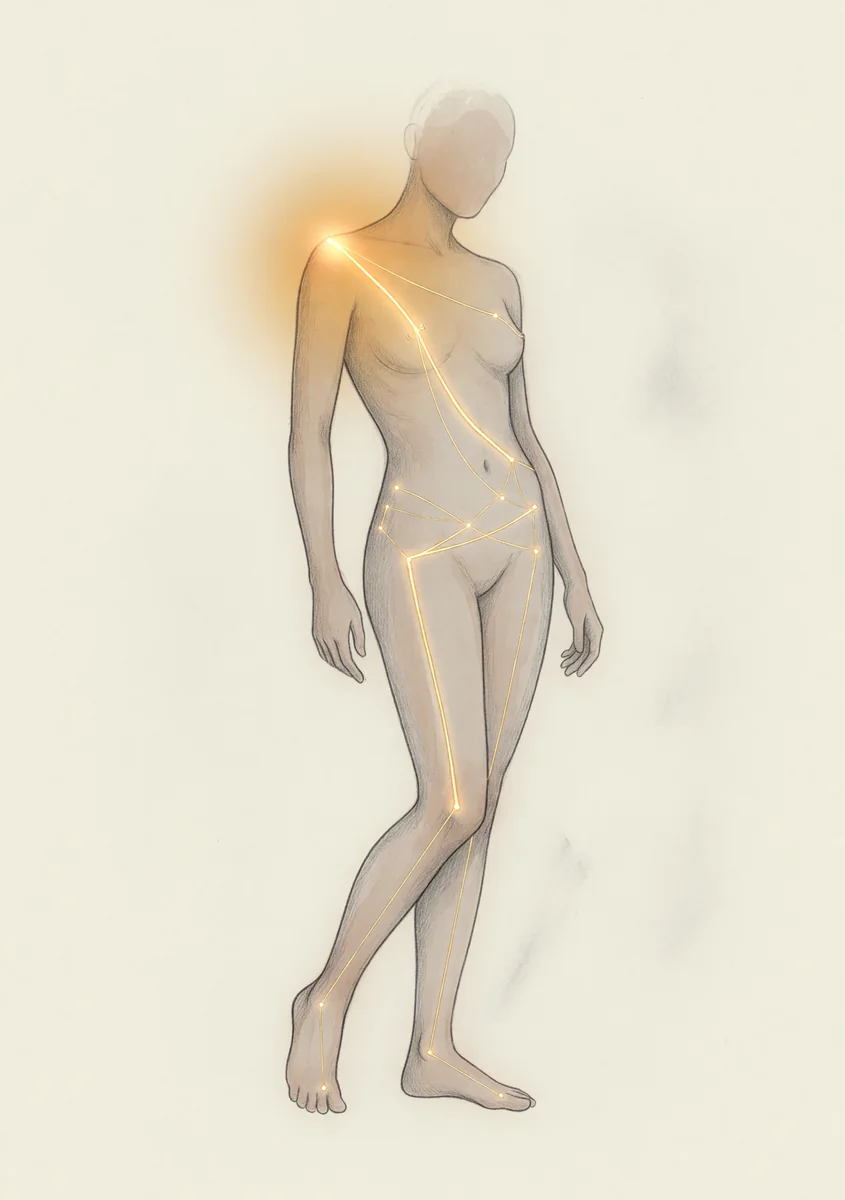
The painful area matters — but it may be the visible edge of a larger whole-body pattern.
Rolfing Structural Integration
Rolfing Structural Integration helps transform the factors that keep your body stuck in chronic pain and restricted movement patterns.
46 Google reviews (opens in a new tab)
Rolfing principles
Rolfing looks beyond isolated symptoms. Pain, posture, breath, balance, and movement are all part of a larger pattern of relationship.
Ryan studies how the ribs influence the spine, how the pelvis influences the legs, how old injuries shape present-day movement, and how the body organizes around strain.
The goal is not to force the body into an ideal shape. It is to understand the pattern clearly enough that the right contact, sequence, and support can help the body reorganize with more ease.


Whole-body relationships
Pain often shows up in one place, but the pattern behind it may involve the feet, pelvis, ribs, spine, breath, or old compensation from an injury years ago. Rolfing follows those relationships so the body can change as a connected system, not a collection of separate parts.
The painful area matters — but it may be the visible edge of a larger whole-body pattern.
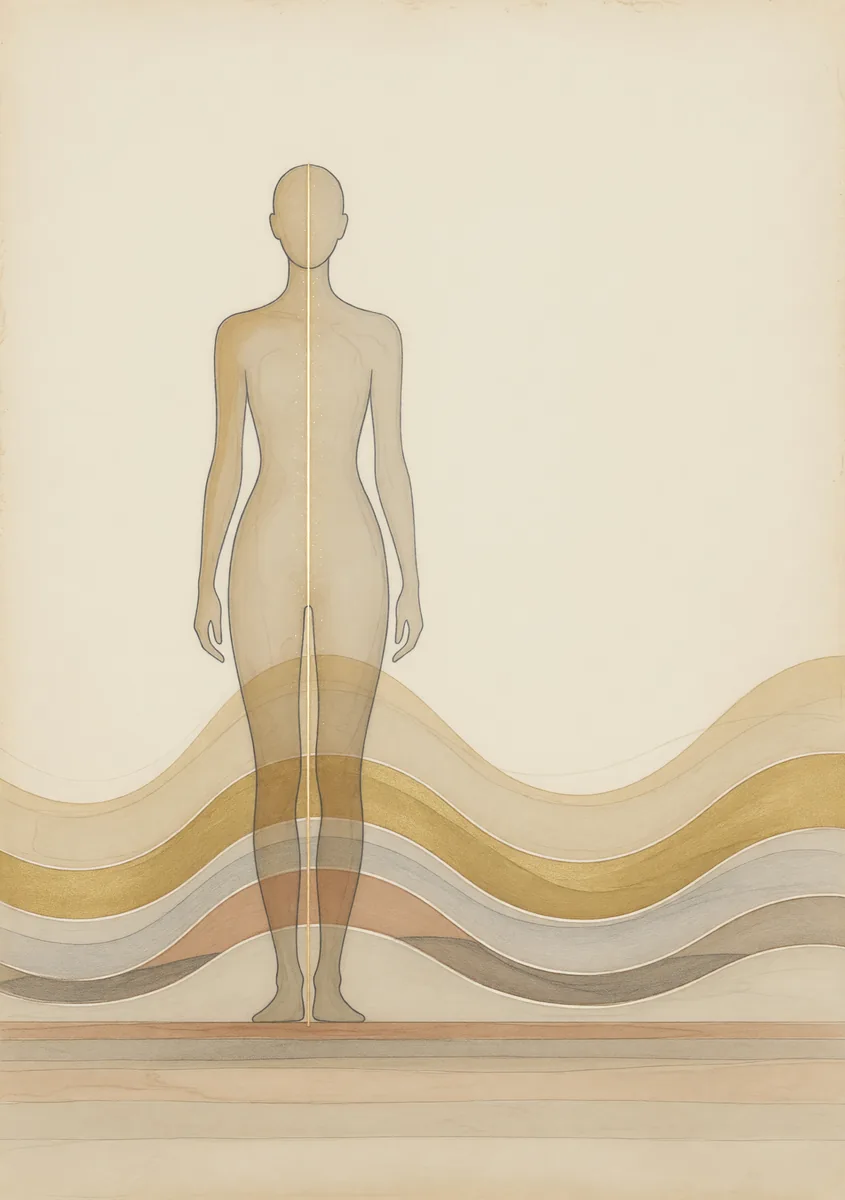
When the body organizes through structural harmony, movement can feel lighter, freer, and more spacious.
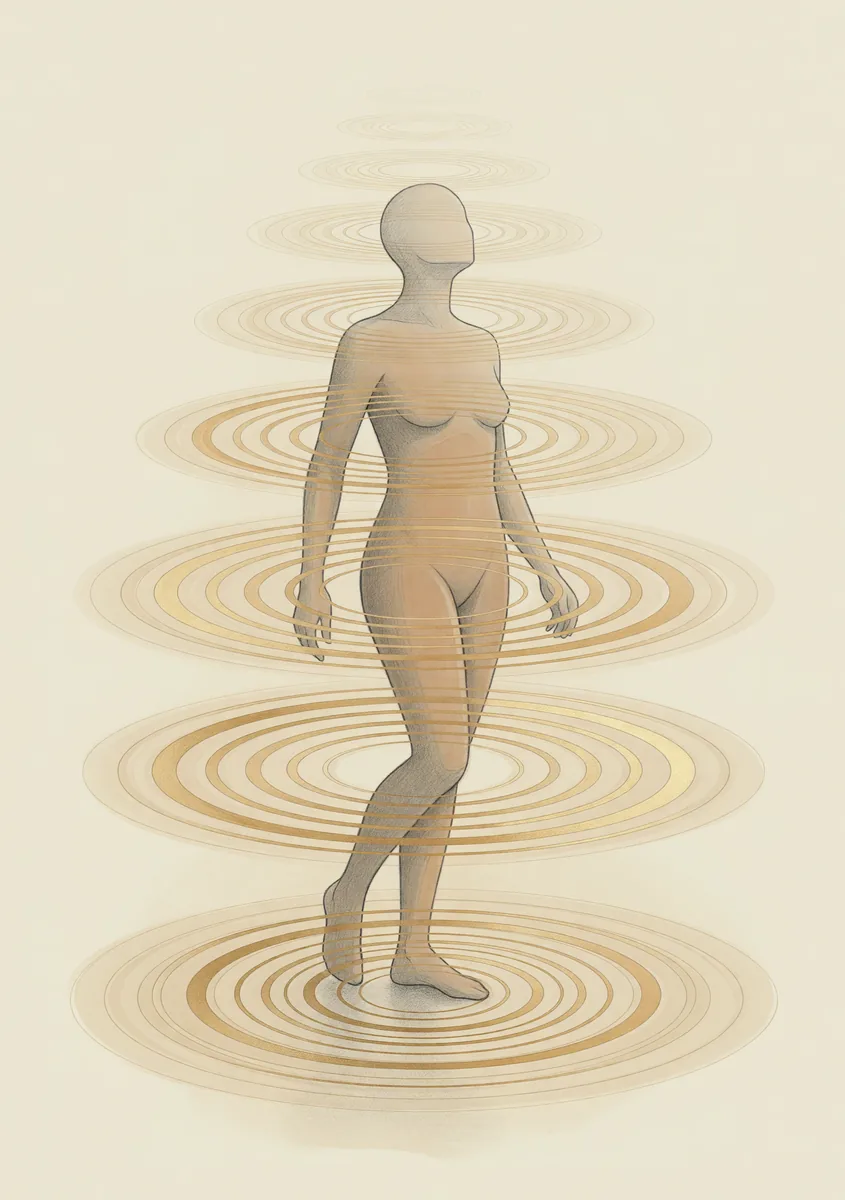
A change in one area can ripple through posture, gait, breathing, and how you feel yourself in space.
Rolfing Structural Integration
Receiving Rolfing typically involves multiple sessions because the body is complex. Each session is customized to address your posture, goals, and the work already accomplished.
Rolfing is known for the Ten-Series: a sequence that restores the biomechanics of different areas of the body so each session connects to the work before it.

Client experiences


“I came to Ryan with a list of about 10 things I wanted to work on with my body and signed up for 10 sessions. During each session, Ryan went above and beyond. He took the time to explain what he was doing and how it would benefit me. I found it very relaxing with no pain or discomfort.”
“Ryan is helping me to recover function from previous injuries and effects of aging. 3 sessions in and so much progress. He is very professional and talented at what he does. Much more than a massage or chiropractor can do for me.”
“Ryan is an excellent practitioner. I was highly referred to Ryan for chronic pain. He is professional and I feel comfortable when being worked on. I have felt relief for longer duration.”
“My back pain is now 90% gone and more importantly my physical posture has improved dramatically. … I feel like a young man again.”
“I’ve been sharing his info with everyone I know and especially those who are dealing with chronic pain, recovering from injuries, or looking to devote more time and energy to their overall well-being and healing.”
“He has helped me improve my posture and overall body mechanics. His sessions have given me more confidence in how I move and perceive the world!”
“After a 90 minute session I felt better than I have in years and I slept like a baby all night long! No headache today…”
“Ryan has been helping me with sleeping issues. In two sessions, I’ve been able to feel more at peace and truly feel protected while I sleep.”
“Over the course of a few months, I went from very painful and limited mobility to the most flexibility and comfort I've had in my life.”
“I'm 28 and have struggled with back issues from sports injuries; within 10 visits of seeing Ryan, I no longer have chronic pain and muscle spasms.”
“I have completed 10 sessions with Ryan and am astounded by the results. … I am able to do all the things I enjoy in life (grapple, lift weights, and run) with greater ease…”
“He provides a safe, calming atmosphere during sessions. … My chronic physical pain is almost completely gone, and I am more active again.”
“I am experiencing changes in my body that I did not think were possible after so much trauma and so many years with the pain.”
“Ryan is a very skilled bodywork with incredible presence. … I used to drive an hour for his support when he was in Sacramento…”
“Ryan was able to help me with all of my issues and my posture is 100 percent better.”
“I've been seeing Ryan for a little over a year and can't recommend his practice highly enough! I go in feeling wonky and come out feeling much more grounded every time.”
“Ryan made me feel comfortable, and my body felt lighter and more aligned afterward.”
“Being a former collegiate football player I have tried everything under the sun to realign my body, this is the only thing that has worked thus far.”
Rolfing FAQ
Rolfing Structural Integration is a form of structural bodywork that works with fascia, posture, breath, movement, and whole-body organization. It is often used by people seeking help with chronic pain, restricted movement, postural strain, or a deeper sense of embodiment.
Massage often focuses on relaxation and muscle tension. Rolfing looks at whole-body patterns: how the feet, legs, pelvis, ribs, spine, breath, and old injuries influence each other in gravity and movement.
Ryan’s Rolfing is located at 101 Parkshore Drive in Folsom, California, serving clients from Folsom, El Dorado Hills, Shingle Springs, Cameron Park, Placerville, El Dorado County, and Sacramento.
Yes. Ryan offers Somatic Experiencing-informed support for stress, trauma, overwhelm, boundaries, and nervous-system regulation, alongside his Rolfing Structural Integration practice.
Serving the region
Learn before you book
Jaw, neck, and headaches
How Rolfing looks at jaw tension, neck pain, headaches, migraines, shoulders, ribs, breath, and posture as connected patterns.
Read article →
Back pain and bodywork
How Rolfing looks beyond the painful spot to posture, breath, fascia, movement, and whole-body support.
Read article →
Posture and movement
A practical look at posture as support, adaptability, breath, and movement — not rigid correction.
Read article →
Services