01
Client-practitioner collaboration
The process depends on communication, feedback, and the Rolfer’s ability to notice what the body is communicating.
Process
01
The process depends on communication, feedback, and the Rolfer’s ability to notice what the body is communicating.
02
Your history matters. Injuries, stress, childhood, birth, surgeries, and old compensation patterns can all shape what is happening now.
03
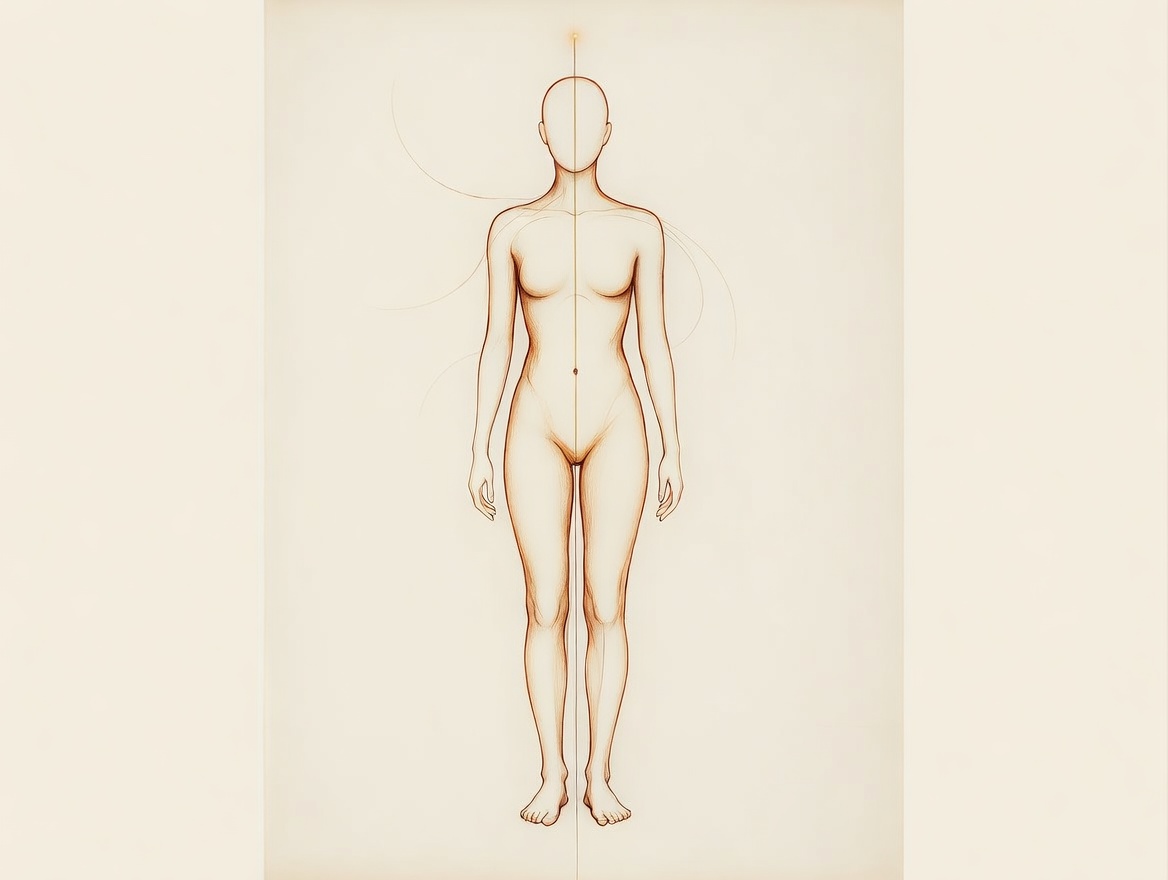
Every session includes assessment — standing, moving, and sensing how your body organizes itself.
04
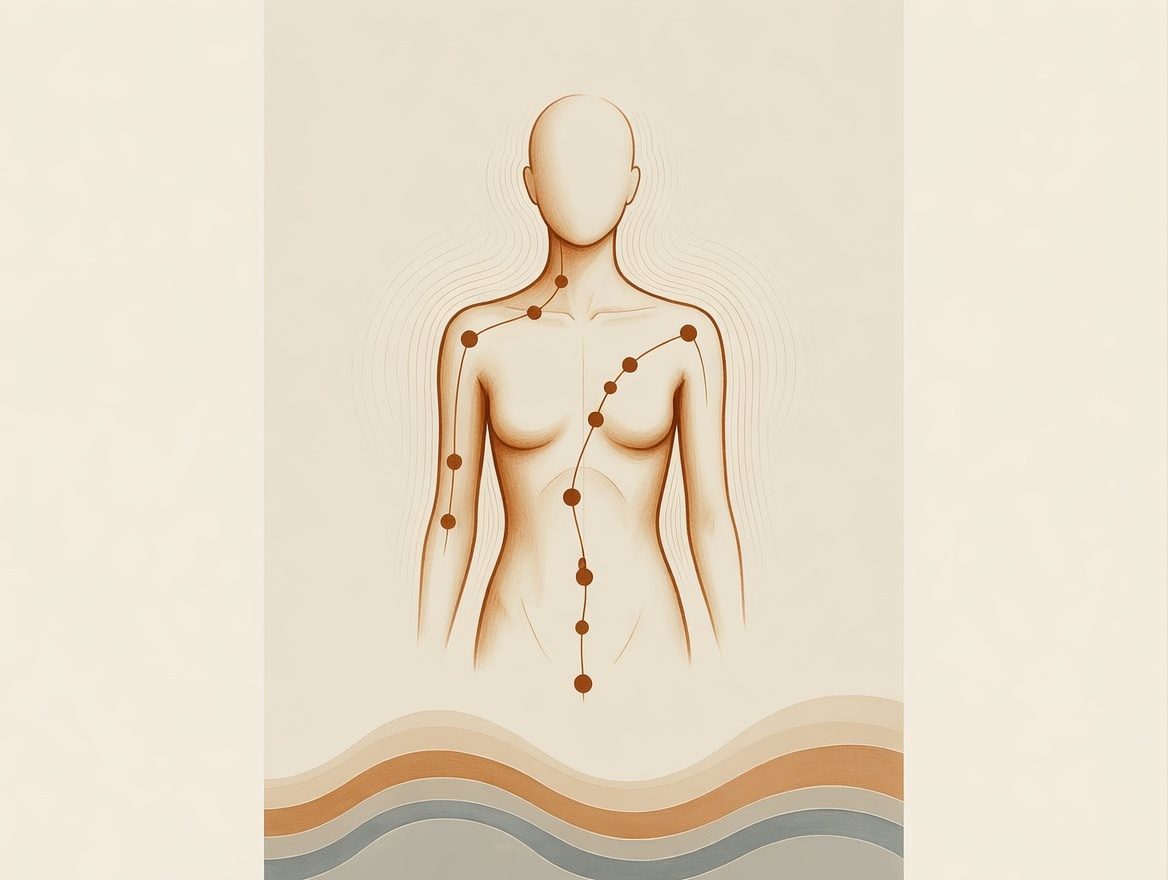
Ryan communicates an initial treatment plan based on your goals, your assessment, and what your body needs.
05
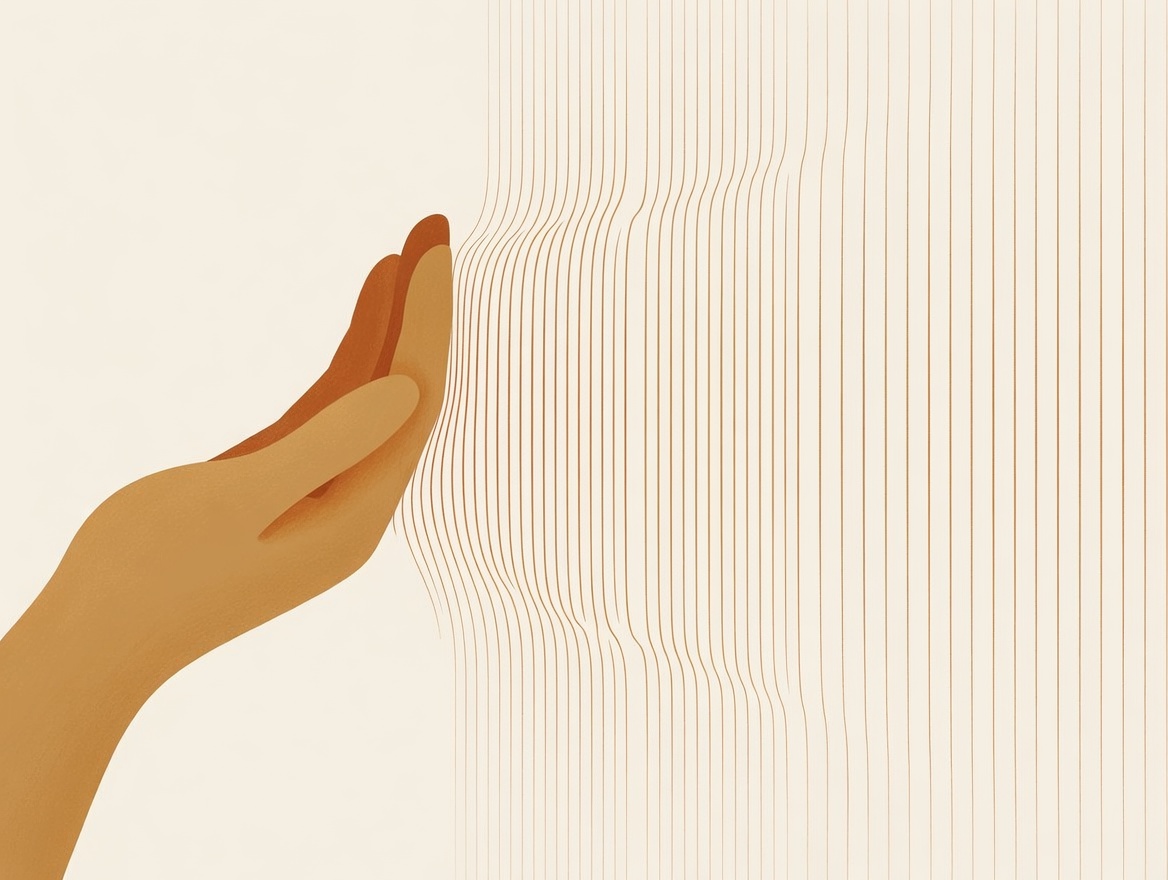
Each contact is deliberate and informed: slow enough to listen, specific enough to matter, and grounded in advanced palpation and anatomy.
06
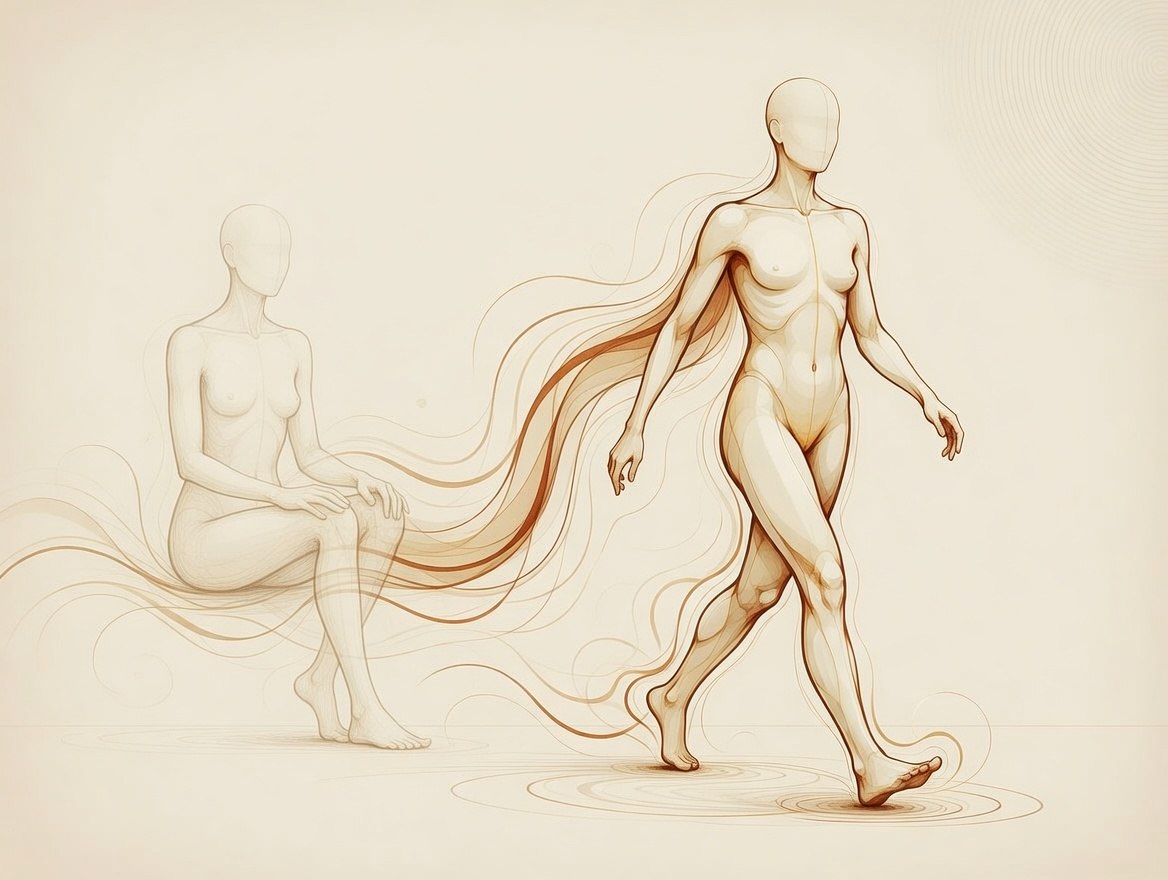
Progress is tracked through movement: sitting, standing, walking, and noticing what feels lighter or easier.
07
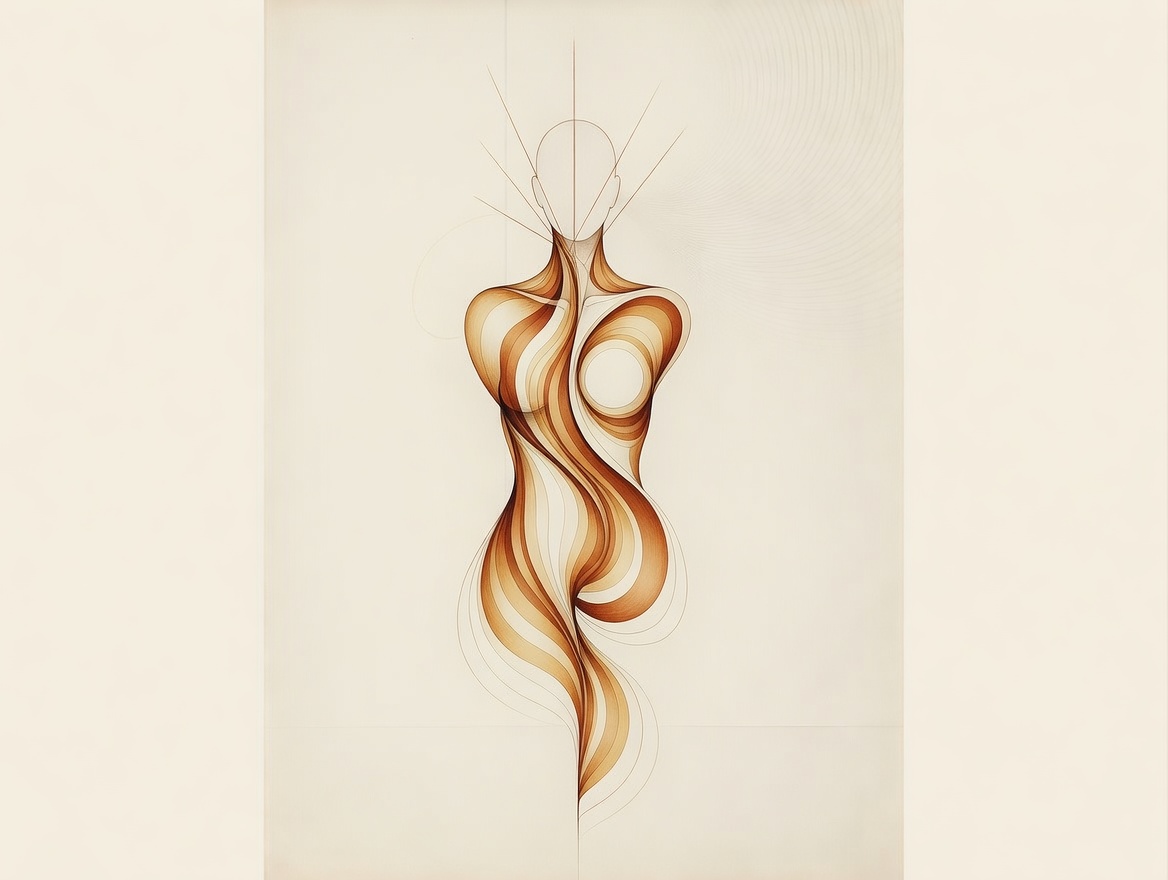
Rolfing helps people reconnect with body sensation — a practical compass for avoiding injury and living with more awareness.
08
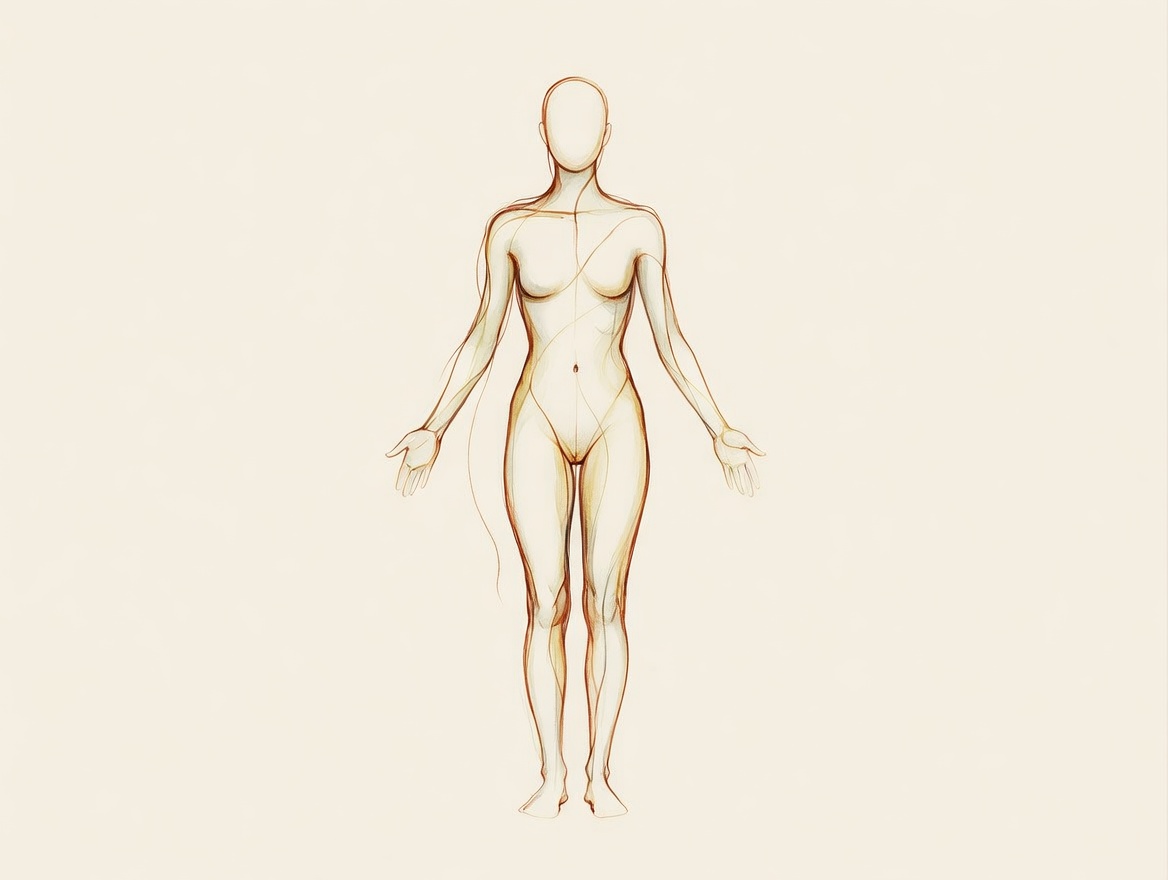
Sessions close with support for integration: stretches, exercises, education, referrals, or maintenance recommendations.
Educated touch
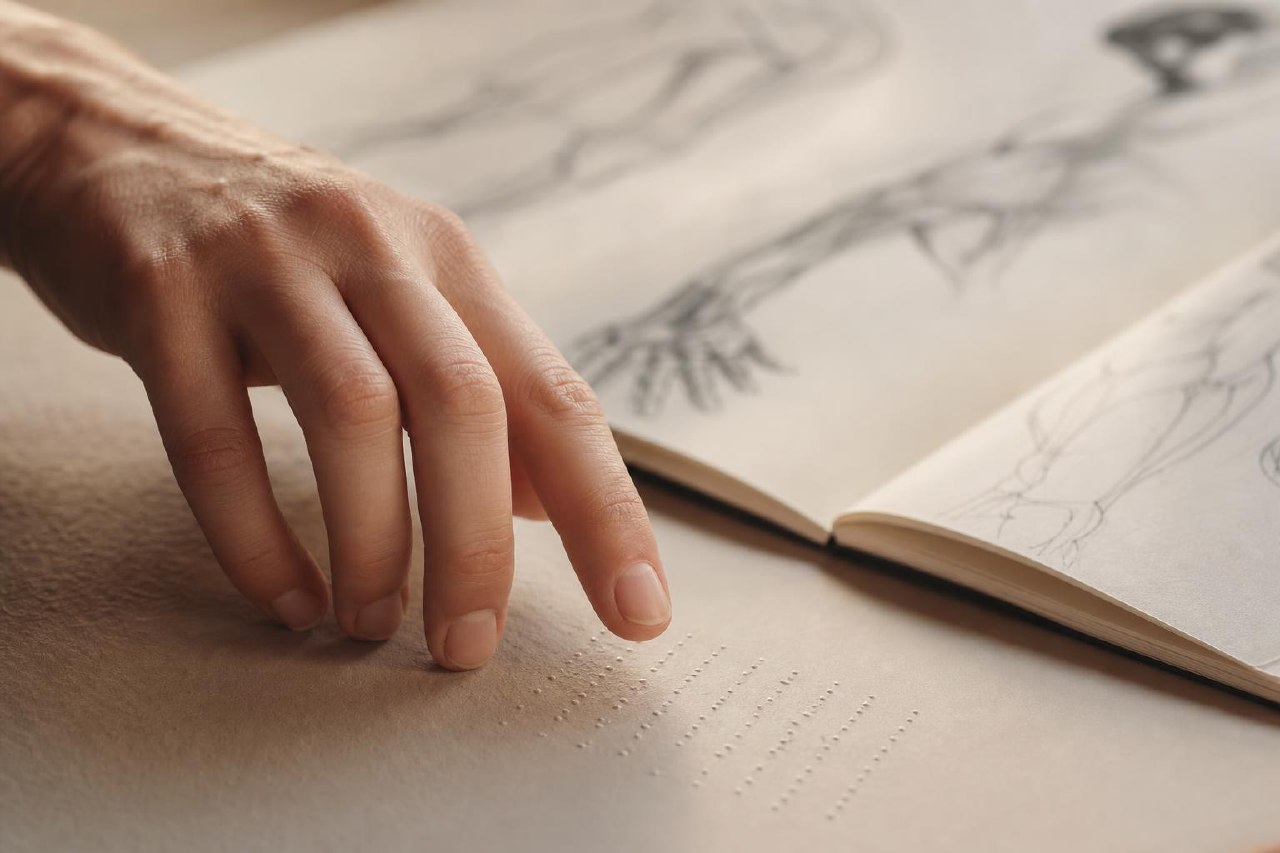
Think of reading Braille. To an untrained hand, the page may feel like a field of tiny raised dots. To a trained reader, those minute changes in texture become language.
Rolfing touch works in a similar way. Ryan’s hands are trained to feel subtle differences in tissue texture, density, direction, tension, depth, and relationship — then translate those sensations through a detailed understanding of anatomy.
This is one of the differences between general massage and skilled structural bodywork. The touch is not only sensitive; it is educated. Like Braille, the information is already there. The skill is knowing how to read it.
The Ten-Series
People invest heavily in homes, furniture, cars, and tools they use every day. The Ten-Series is an investment in the body you live in every moment — how you stand, breathe, move, recover, and feel yourself from the inside.
Not every person needs to do the full Ten-Series. Some clients come in for specific goals, acute issues, or selected pieces of the work.
But the Ten Series is the most complete way to experience Rolfing: a structured process for reorganizing the whole body over time. Each session has a purpose, and each step builds on the one before it.
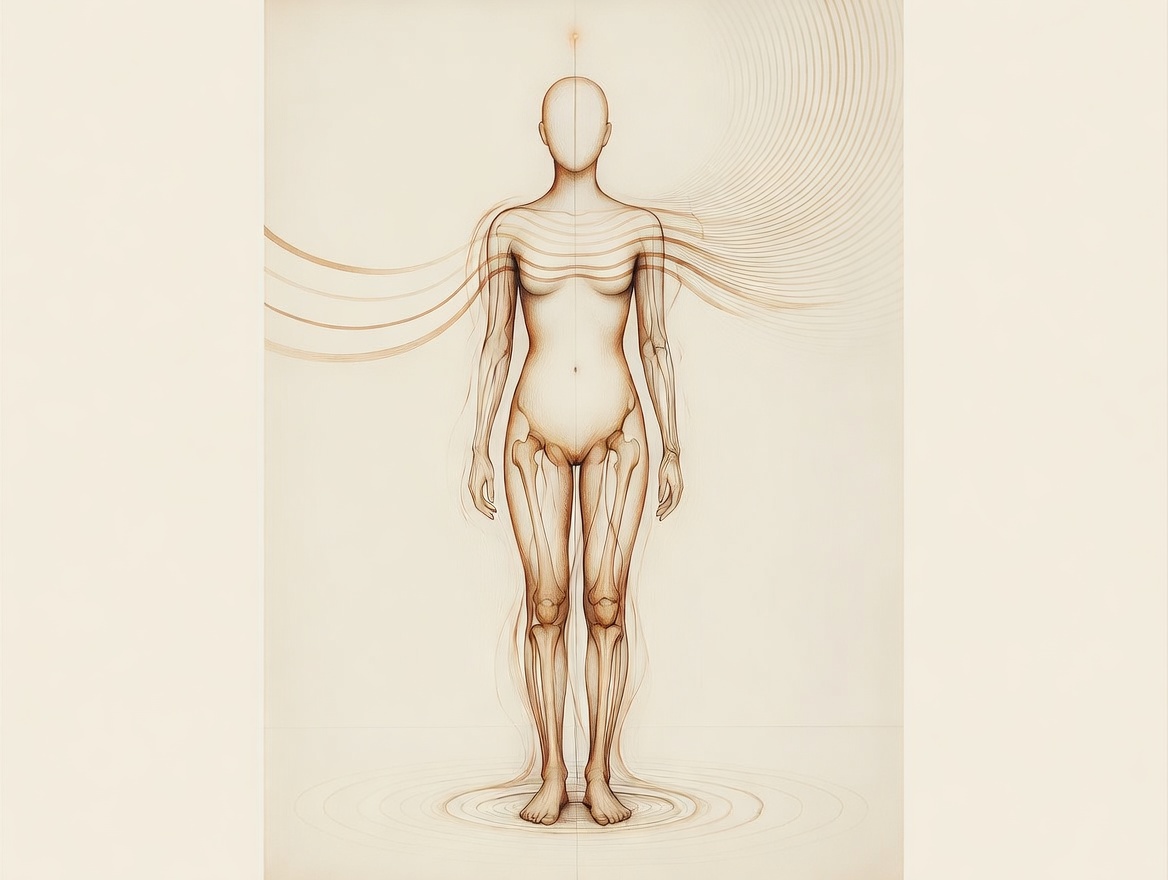
01
Opening breath and beginning the body’s relationship to ground support.
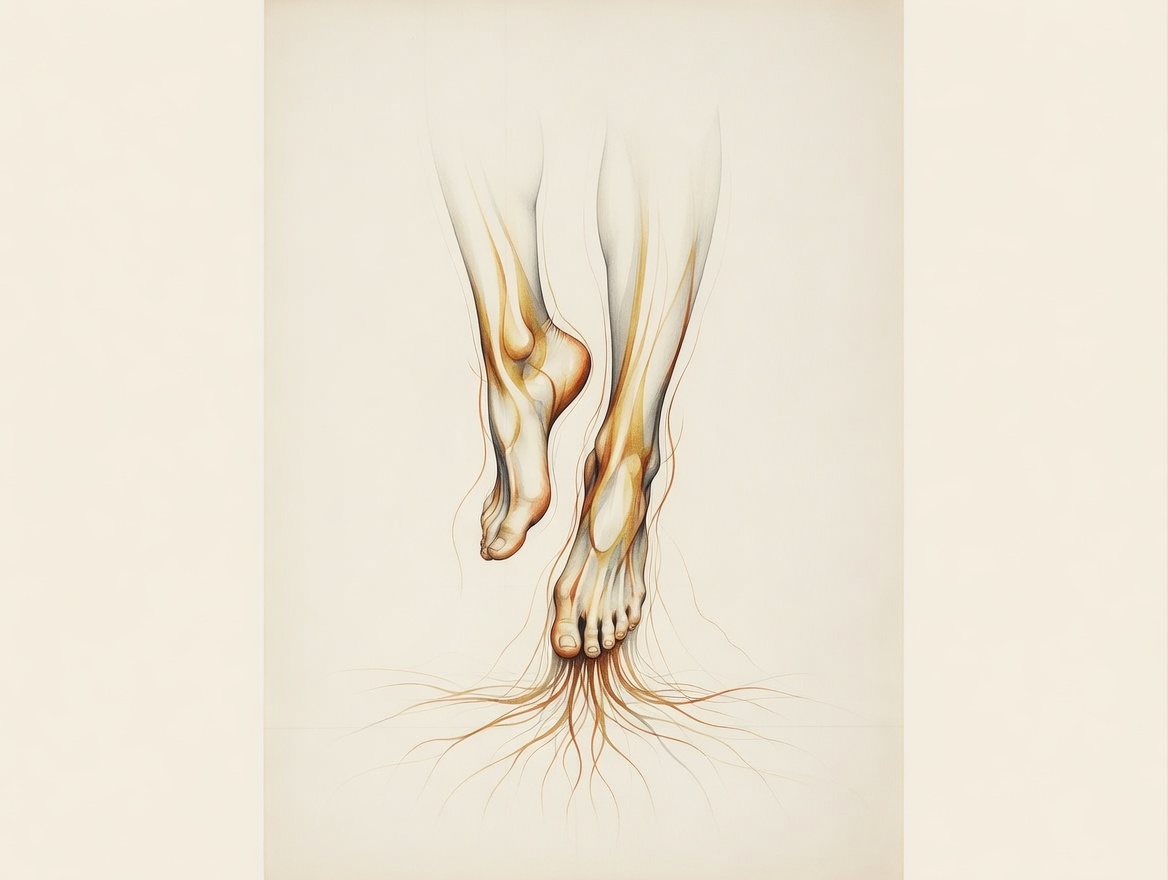
02
Building a more adaptable foundation through the feet, ankles, and lower legs.
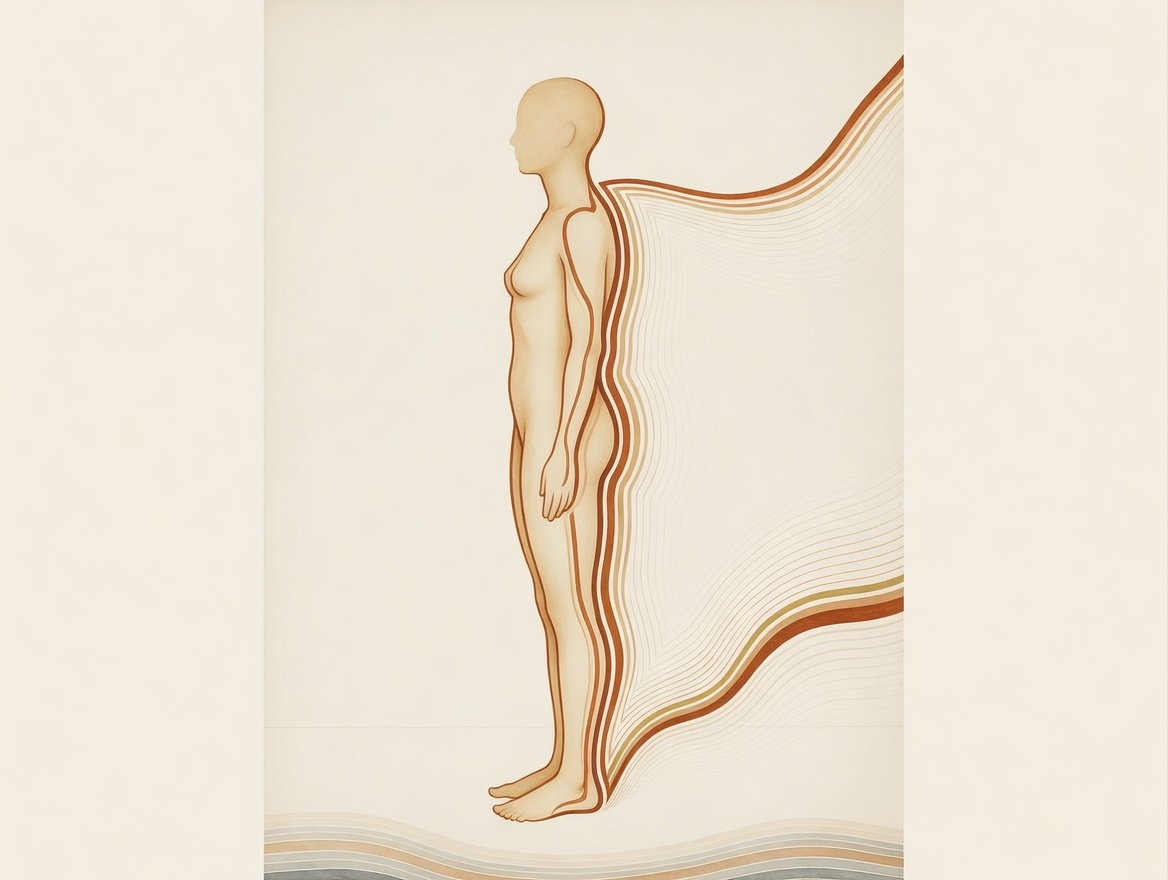
03
Helping the front and back of the body relate through the side line.
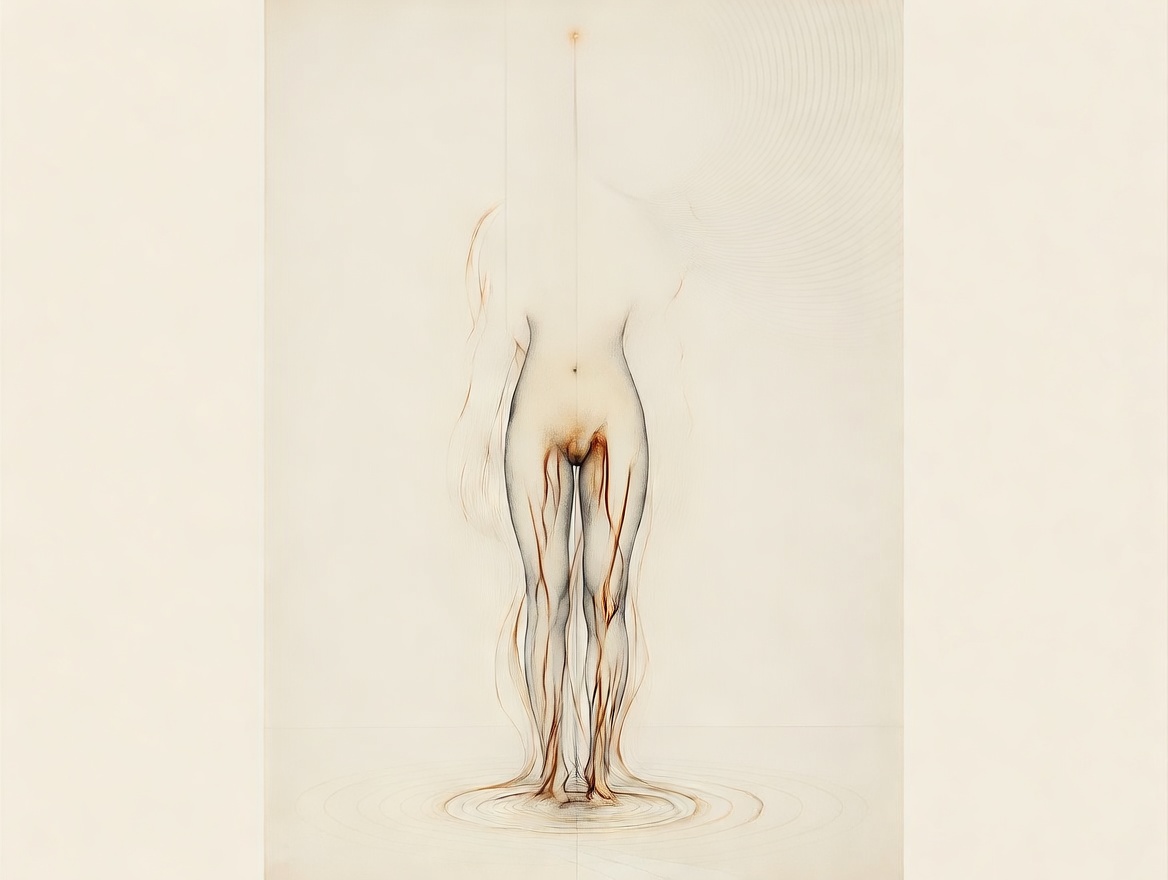
04
Working with deep support through the inner legs and pelvic base.
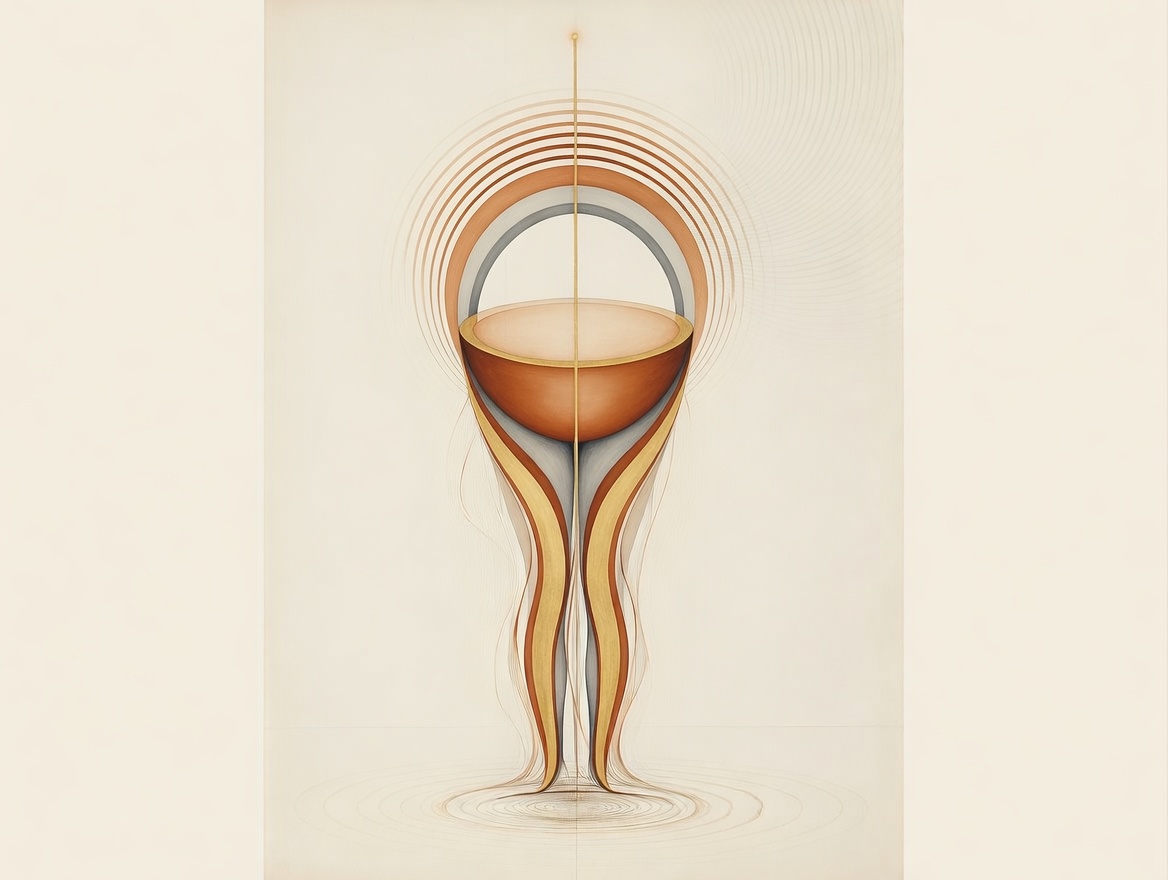
05
Clarifying the deep front line that connects breath, pelvis, and legs.
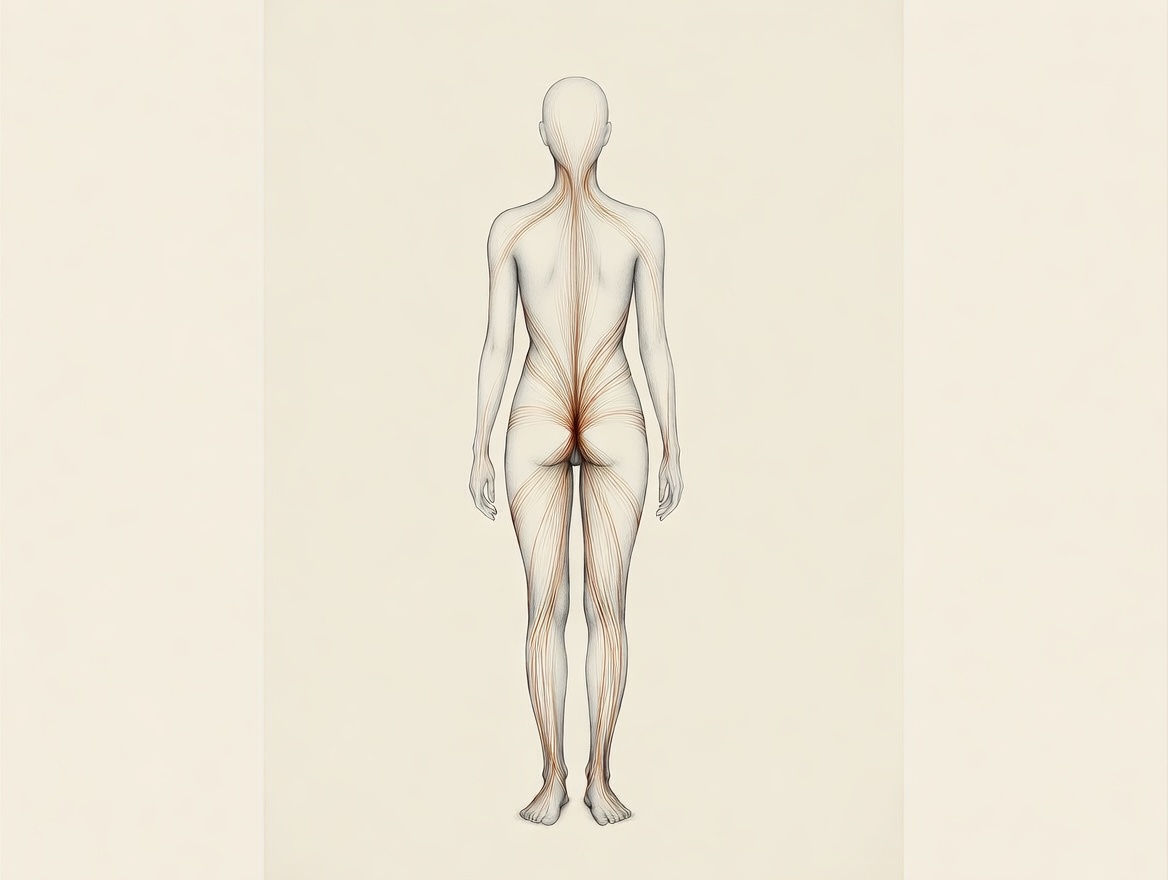
06
Supporting the back line through the legs, sacrum, spine, and breath.
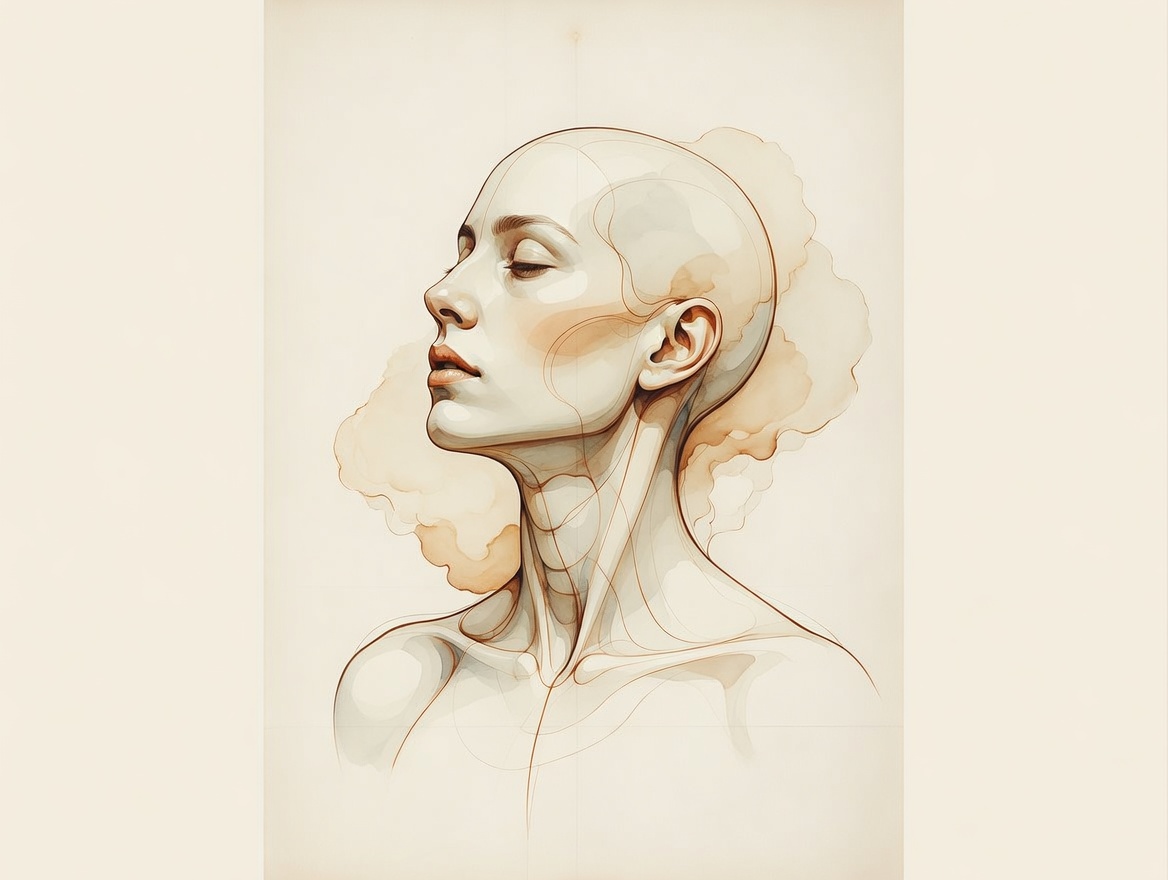
07
Refining the relationship between the head, neck, jaw, and upper spine.
08
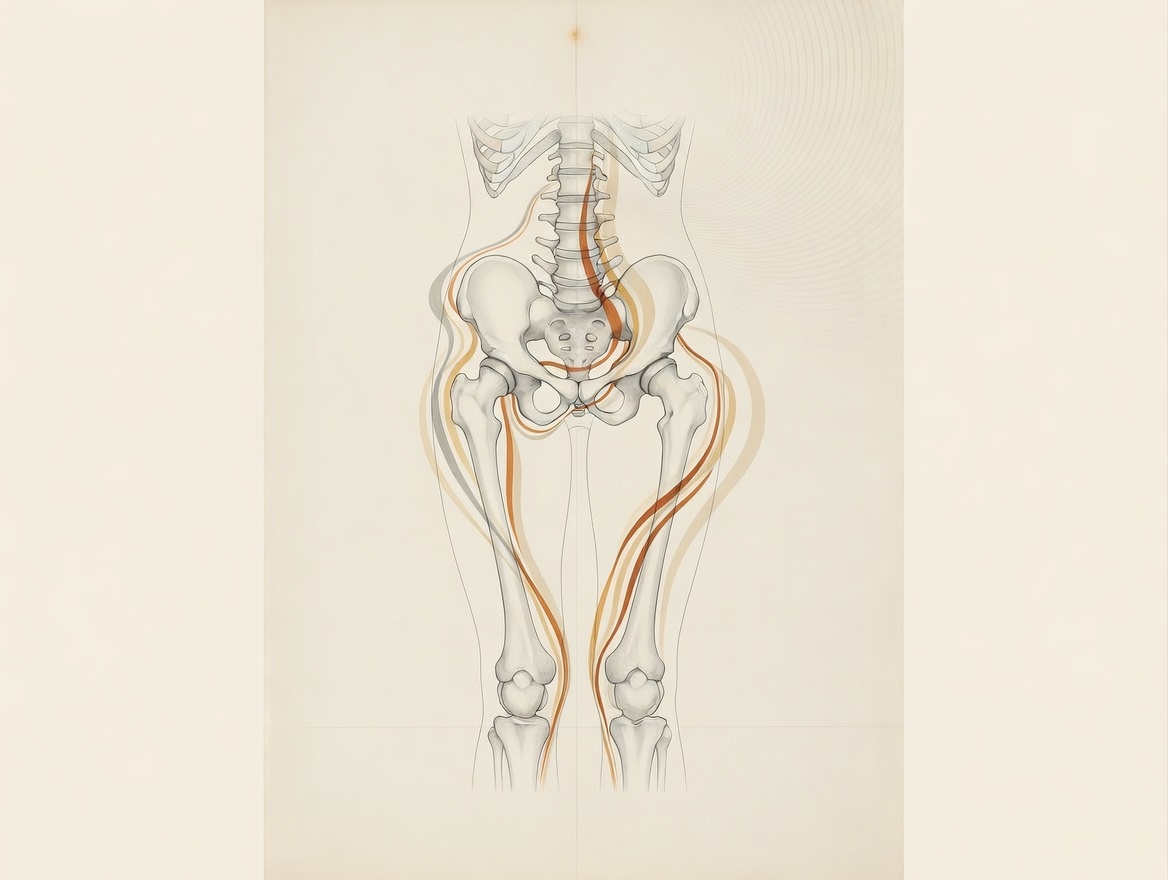
Integrating lower-body movement through the pelvis, legs, and spine.
09
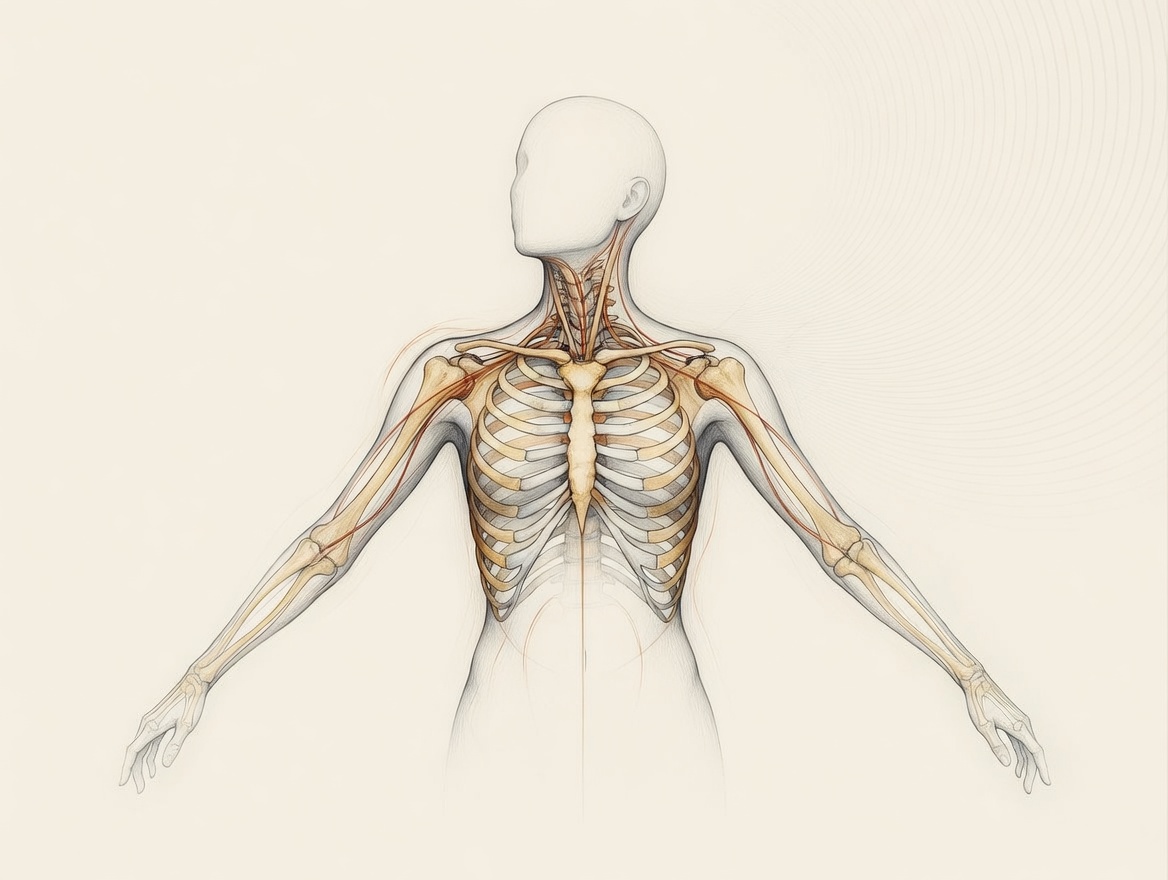
Integrating upper-body support through the ribs, shoulders, arms, and neck.
10
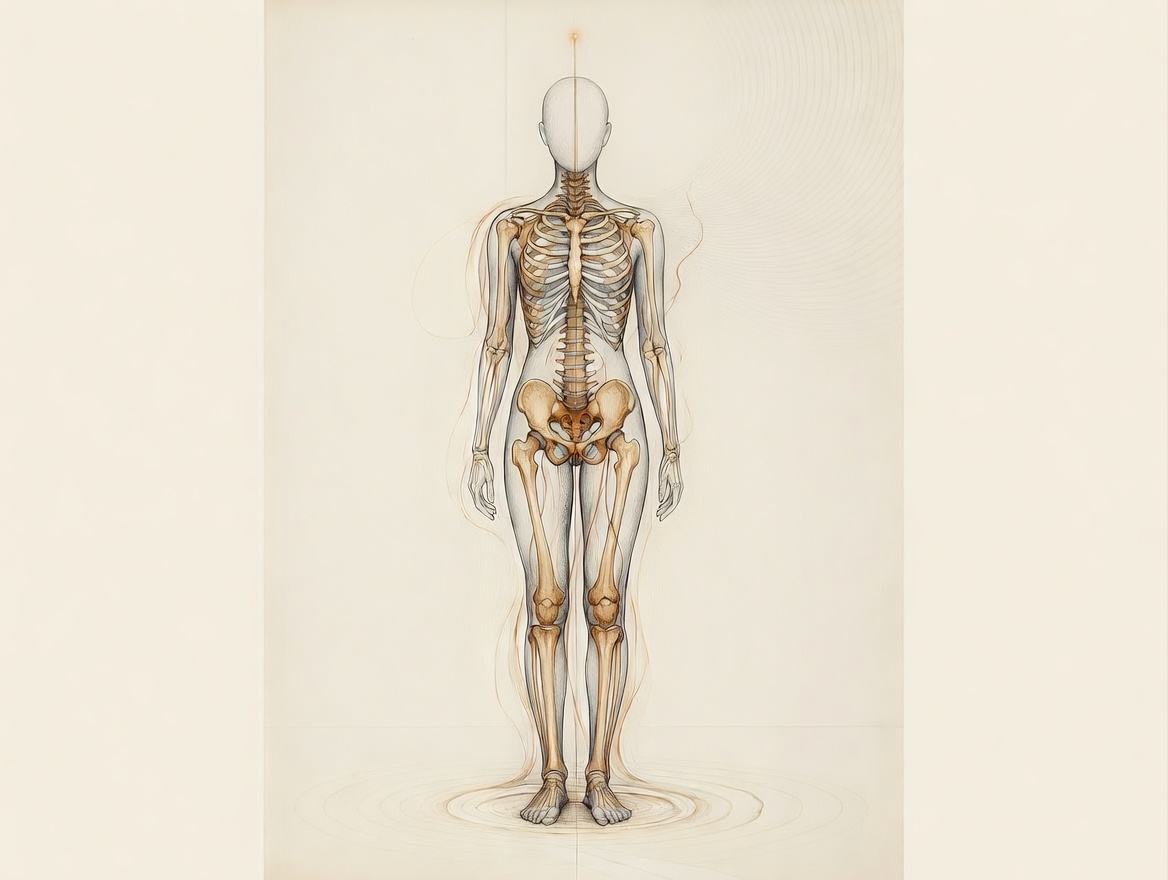
Bringing the whole body into a more coherent, connected pattern.
Who benefits?
Rolfing aims to address root causes — the structural patterns that keep discomfort returning.
Improve flexibility, coordination, recovery, and movement efficiency for bodies that work hard.
Restore balance around impacted tissues and compensation patterns after injury or surgery.
Reduce chronic tension and strain from repetitive work, posture, and physical demand.
Address back, neck, hip, and shoulder issues from long hours sitting or working at a computer.
Reconnecting with the body can support vitality, embodiment, and wiser choices.