Developmental and relational trauma patterns
For early body-based patterns around safety, contact, support, attachment, boundaries, or receiving care.
NeuroAffective Touch®
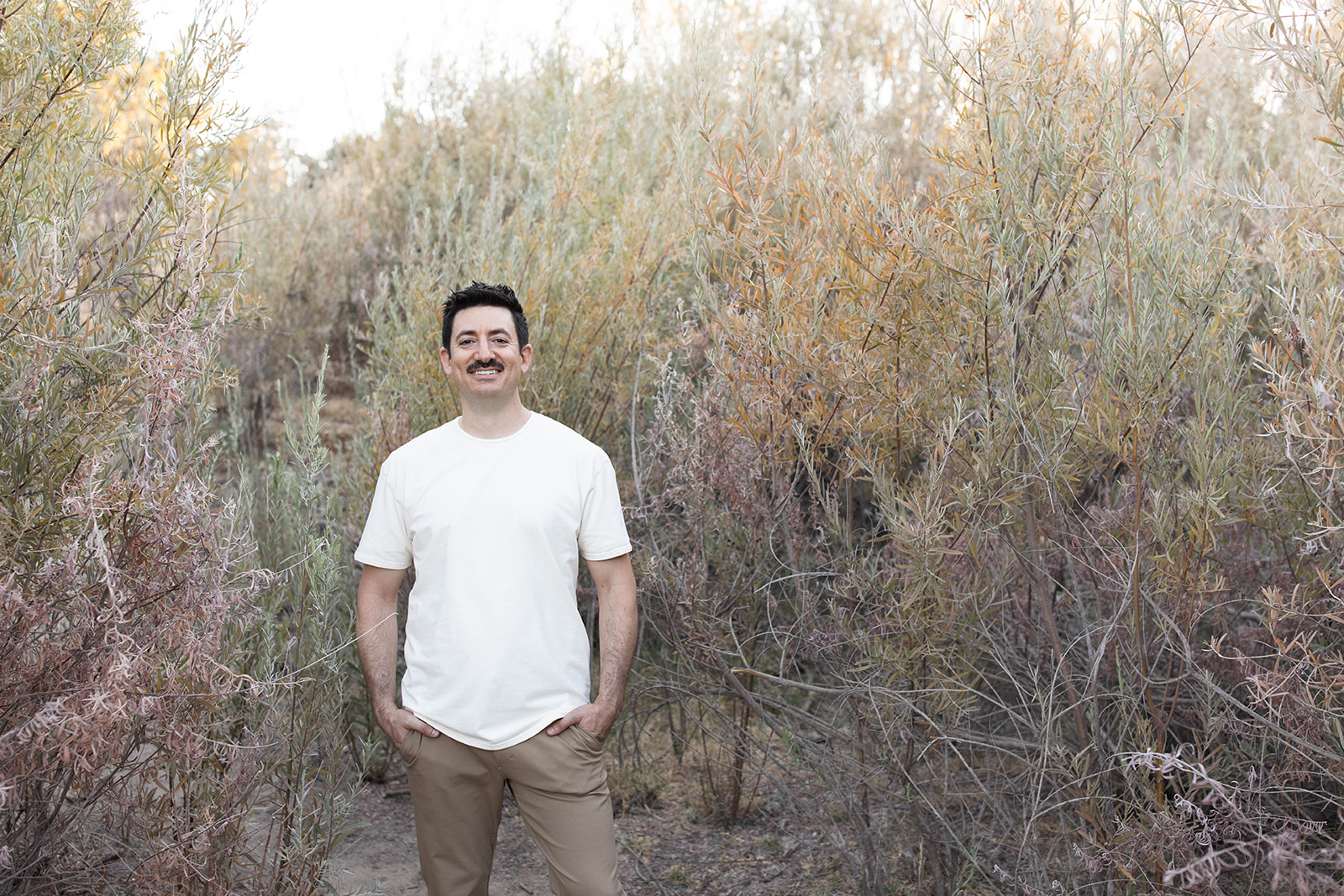
Ryan is a NeuroAffective Touch therapist. NeuroAffective Touch® is a polyvagal-informed somatic approach that brings together attuned therapeutic presence, body awareness, and consent-based touch to support regulation, embodiment, and integration.
Some experiences are difficult to reach through words alone. Developmental and relational trauma can live as bracing, numbness, vigilance, collapse, tension, difficulty receiving support, or a vague sense that connection does not feel safe. NATouch works directly with those body-level patterns, slowly and respectfully.
In Ryan’s practice, this work is integrated with Rolfing, Somatic Experiencing, and a deep respect for consent. The emphasis is not on forcing release, but on helping your system experience more support, boundary, choice, and heartfelt connection.
Why touch matters
Before we can explain ourselves clearly, the body is already learning: Am I safe? Am I held? Is support available? Can I reach, push away, soften, or rest? Those early body-based lessons can continue to shape posture, tension, breath, relationship, and stress physiology later in life.
NeuroAffective Touch brings attention to these subtle layers through attuned contact, body awareness, touch intentions, and a collaborative conversation with sensation. The work supports the body’s capacity to register safety, connection, containment, and biological life force in places where words or effort have not been enough.
What it can support
For early body-based patterns around safety, contact, support, attachment, boundaries, or receiving care.
For nervous systems that move toward bracing, scanning, collapse, numbness, or difficulty settling into social engagement.
For patterns that are hard to explain because they live more as sensation, impulse, posture, image, or mood than story.
For people who want personal work to move beyond insight into felt sense, regulation, and lived body–mind change.
What sessions are like
A session may include conversation, body awareness, orienting, tracking sensation, noticing emotion or image, and gentle touch when appropriate. Touch might support the head, neck, back, belly, diaphragm, limbs, or other areas only with clear consent and ongoing communication.
We begin with the therapeutic relationship: listening to your words, body signals, breath, pacing, and felt sense of safety.
Touch is never assumed. We clarify intention, consent, contact, pressure, and how you can pause or change direction at any time.
The work may use still contact, gentle pressure, orienting, breath, body awareness, or body–mind dialogue to help your system find steadiness.
We connect body experience with meaning, emotion, relationship, and daily life so the work can become usable outside the session.
Body–mind integration
NeuroAffective Touch is not just about muscles or posture. It pays attention to the way the body, nervous system, emotions, attachment patterns, and relational experience influence each other.
Early experiences of being held, met, rushed, missed, overwhelmed, or unsupported can shape how the body organizes around contact and safety.
Careful therapeutic touch can offer information the thinking mind cannot always reach: support, boundary, contact, containment, and enoughness.
The goal is not to force relaxation. It is to help the nervous system notice choice, support, orientation, and the possibility of connection.
Touch works through the body’s living sensory system, including the skin, fascia, breath, gut, heart, and subtle shifts in tone and impulse.
How it fits with Ryan’s work
Rolfing works with structure, fascia, movement, and whole-body organization. Somatic Experiencing works with activation, orientation, boundary, and survival responses. NeuroAffective Touch adds another layer: how the body receives support, contact, containment, and relational safety.
Together, these approaches let Ryan meet the body from multiple angles — structural, somatic, developmental, relational, and nervous-system-informed — while staying grounded in clear consent and practical integration.
Begin gently
You can book a session or reach out with questions. Sessions are paced around consent, comfort, and what your body can integrate.
Book onlineNeuroAffective Touch is offered here as wellness, bodywork, somatic therapy, and nervous-system support. It is not a substitute for medical care or emergency mental health support.
NeuroAffective Touch FAQ
NeuroAffective Touch is a somatic approach that uses careful, consent-based touch and relational awareness to support regulation, embodiment, and developmental repair.
Massage often focuses on muscles and relaxation. NeuroAffective Touch works more slowly with regulation, sensation, emotion, contact, boundaries, and how early body-based patterns may still shape present-day experience.
Yes. The work is paced collaboratively, emphasizes consent and choice, and supports the nervous system without forcing catharsis or overwhelming the body.